Pastel Glitter Ombre Gradient Designs: A Practical Guide for Digital Creators
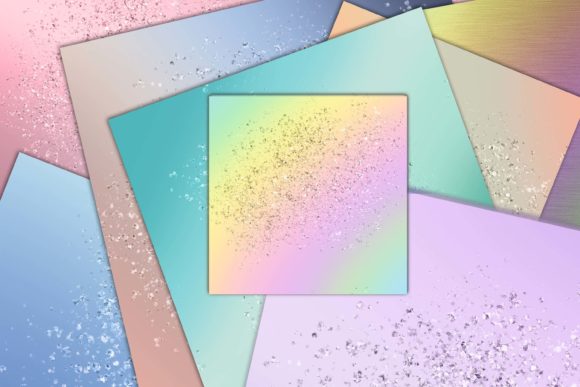
In the evolving landscape of digital design, texture and background quality play a pivotal role in defining the aesthetic appeal of a project. Pastel Glitter Ombre Gradient Designs have emerged as a versatile resource for creatives seeking to add depth, softness, and visual interest to their work. These assets are not merely decorative; they serve as foundational elements that can elevate scrapbooking layouts, professional photography backdrops, and graphic design compositions. Understanding the technical specifications, application potential, and limitations of these designs is essential for determining whether they align with your specific creative goals.
Understanding the Asset Quality and Specifications
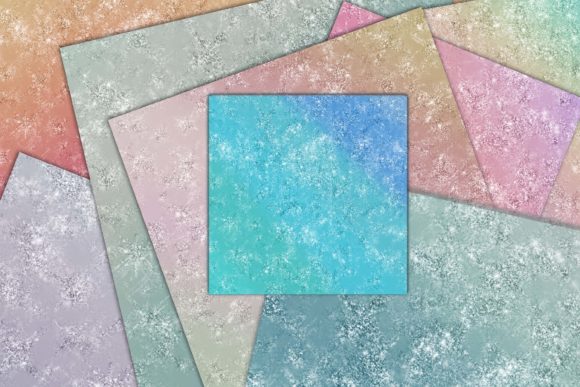
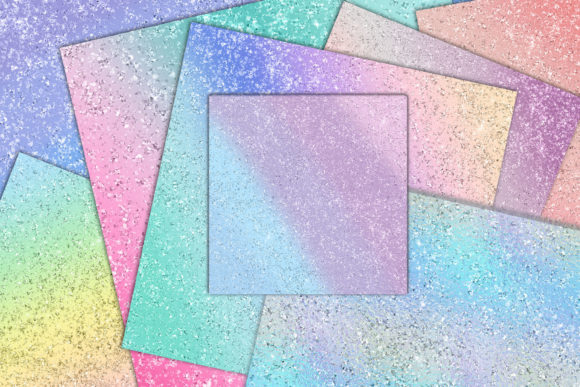
When evaluating digital backgrounds, resolution and file integrity are primary concerns. The Pastel Glitter Ombre Gradient Designs discussed here are created using a specialized collection of Procreate brushes, ensuring a unique, hand-crafted texture rather than a generic, algorithmically generated pattern. This distinction is crucial for designers who prioritize authenticity and detail in their final outputs.
Each image in this collection is provided at a resolution of 3000 x 3000 pixels with a density of 300 DPI (dots per inch). This specification is significant for two reasons. First, it ensures that the images remain crisp and detailed when viewed on high-resolution screens, such as Retina displays or modern smartphones. Second, and perhaps more importantly, 300 DPI is the standard requirement for high-quality physical printing. Whether you are producing small items like magnets or larger formats like wrapping paper, this resolution helps prevent pixelation and maintains the integrity of the glitter effects and gradient transitions.
The collection includes eight distinct JPG files. While JPG is a widely compatible format, it is important to note that it uses lossy compression. For most web-based applications and standard printing, this is sufficient. However, designers requiring transparent layers for complex compositing might need to consider additional editing steps or look for PNG alternatives if transparency is a strict requirement for their workflow.
Applications Across Creative Disciplines
The versatility of these pastel gradients allows them to function effectively across various mediums. Below are several key areas where these designs offer substantial value:
- Digital Scrapbooking: The soft color palettes and glitter textures mimic traditional physical scrapbook papers. They provide an ideal base for layering photos, stickers, and journaling elements without overwhelming the primary content.
- Photography Backdrops: For product photographers or portrait artists, these images can serve as digital backdrops. By placing subjects over these gradients in post-production, photographers can achieve a polished, studio-like aesthetic without the need for physical props.
- Graphic Design and Branding: These textures are suitable for creating social media graphics, website headers, and promotional banners. The ombre effect draws the eye smoothly across the design, making it effective for highlighting text or call-to-action buttons.
- Print-on-Demand Products: Due to the high resolution, these designs are well-suited for print-on-demand services. They can be applied to t-shirts, coffee mugs, tote bags, and phone cases. The pastel tones often appeal to markets interested in minimalist, chic, or youthful aesthetics.
Evaluating the Benefits and Tradeoffs
Before integrating Pastel Glitter Ombre Gradient Designs into your workflow, it is helpful to weigh the advantages against potential limitations.
Benefits
The primary benefit is time efficiency. Creating realistic glitter textures and smooth gradients from scratch in software like Photoshop or Procreate can be time-consuming. Using pre-made, high-quality assets allows designers to focus on composition and messaging rather than texture generation. Additionally, the print-ready quality eliminates the guesswork regarding resolution, ensuring that physical products meet professional standards.
Another advantage is aesthetic consistency. Since the collection is created with a specific brush set, the eight included images share a cohesive visual language. This is particularly useful for brands or creators who need to maintain a consistent look across multiple platforms or product lines.
Tradeoffs and Considerations
One consideration is the file format limitation. As noted, the files are provided as JPGs. If your design requires non-destructive editing or layering with transparency, you may need to use masking techniques in your design software to isolate parts of the image. This adds a step to the workflow compared to using PNGs with transparent backgrounds.
Additionally, while the pastel color scheme is versatile, it may not suit all brand identities. Projects requiring bold, high-contrast, or dark-mode aesthetics may find these light, airy designs less applicable. It is essential to assess whether the soft tonal range aligns with your target audience's preferences.
Decision-Making Insights: Is This Collection Right for You?
To determine if these digital backgrounds are a strong fit for your needs, consider the following scenarios:
- You are a scrapbooker or paper crafter: If you frequently create digital layouts or print your own scrapbook pages, these designs are a strong fit. The 300 DPI resolution ensures that printed pages will have the same tactile visual appeal as store-bought specialty paper.
- You run a print-on-demand business: If you sell items like mugs, decals, or wall art, having a library of high-resolution, trendy backgrounds can expand your product catalog quickly. The glitter and ombre trends remain popular in home decor and fashion accessories.
- You are a social media manager: If you need to produce visually engaging content rapidly, these backgrounds can serve as templates. Adding text overlays or product images to these pre-designed backgrounds can streamline your content creation process.
However, alternatives may be worth considering if:
- You require fully editable vector files for scalable logos or large-format signage that exceeds 3000 pixels.
- Your workflow depends heavily on transparent layers for complex photo manipulation, and you do not wish to spend time creating masks.
- Your brand guidelines strictly prohibit pastel colors or glitter effects, favoring flat, solid colors or corporate branding elements instead.
Practical Tips for Implementation
To maximize the utility of these Pastel Glitter Ombre Gradient Designs, consider integrating them into your workflow strategically. For digital designs, experiment with blending modes in your software. Modes such as "Overlay," "Soft Light," or "Screen" can help integrate the glitter texture with other elements more naturally, allowing underlying colors to show through while maintaining the sparkle effect.
For physical prints, always perform a test print. While 300 DPI is standard, color calibration varies between monitors and printers. A test print ensures that the pastel shades appear as intended and that the glitter details are visible and not lost in translation due to ink limitations.
Furthermore, these images can serve as more than just backgrounds. They can be used as textures for digital brushes, clipped into text for typographic effects, or segmented to create custom patterns for web design elements. By viewing these assets as flexible components rather than static images, you can unlock a wider range of creative possibilities.
Conclusion
Pastel Glitter Ombre Gradient Designs offer a practical, high-quality solution for creators looking to enhance their digital and physical projects. With their 3000 x 3000 pixel resolution and 300 DPI standard, they bridge the gap between screen-based design and print production. While the JPG format and specific aesthetic style may not suit every project, they provide significant value for scrapbookers, photographers, and graphic designers seeking efficient, professional-grade textures. By carefully evaluating your project requirements and understanding the technical specifications, you can effectively leverage these assets to create unique, visually compelling work.