Strategic Application of Tribal Brush Ornament in Modern Brand Identity
In the crowded landscape of digital marketing and visual communication, differentiation is not merely an aesthetic preference; it is a strategic imperative. Designers, brand managers, and content creators often seek assets that convey authenticity, heritage, and artistic depth without requiring extensive custom illustration from scratch. This is where the Tribal Brush Ornament emerges as a critical resource. Far more than simple decorative elements, these hand-drawn ethnic ornaments serve as versatile tools for establishing tone, guiding user attention, and reinforcing brand narratives.
Understanding how to leverage a Tribal Brush Ornament effectively requires moving beyond superficial decoration. It demands a clear understanding of cultural context, design hierarchy, and technical execution. When integrated thoughtfully, these Aztec patterns and hipster ornament border brushes can elevate a project from generic to distinctive. However, misuse can lead to visual clutter or cultural insensitivity. This guide explores the strategic deployment of these vector assets to achieve better long-term results in branding and communication.
Defining the Asset: More Than Just Decoration
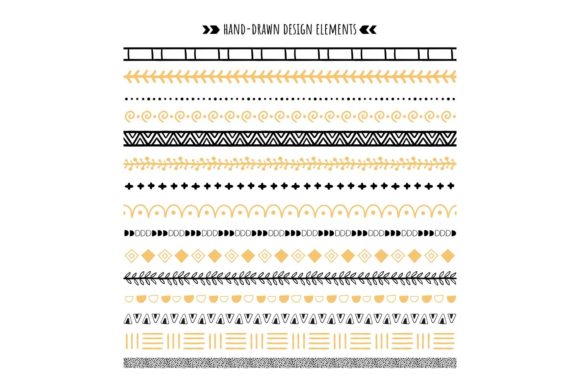
A Tribal Brush Ornament typically refers to a collection of vector-based graphic elements inspired by indigenous art styles, including Native American paintbrush techniques, Aztec geometric patterns, and abstract ethnic motifs. These are not raster images with fixed resolutions; they are usually delivered as scalable vector graphics, such as an EPS10 file. This format is crucial for professional workflows because it allows for infinite scalability without loss of quality.
The value proposition of these assets lies in their duality. On one hand, they offer the organic, imperfect feel of hand-drawn art, which appeals to the "hipster" aesthetic and audiences seeking authenticity. On the other hand, their vector nature ensures they meet the rigorous technical standards required for large-format printing, high-resolution digital displays, and precise logo integration. For entrepreneurs and freelancers, this means acquiring a library of high-quality assets that can be adapted across multiple touchpoints, from business cards to website headers, without the cost of commissioning original artwork for every iteration.
Strategic Positioning and Brand Narrative
Visual elements are the shorthand of brand identity. When you choose to incorporate a Tribal Brush Ornament, you are making a statement about your brand’s values. These patterns often evoke concepts of tradition, craftsmanship, connection to nature, and human-centric design. For businesses in sectors such as organic cosmetics, artisanal coffee, boutique hospitality, or ethical fashion, these symbols can reinforce the brand story effectively.
However, strategic positioning requires alignment. If your brand promises modern minimalism and technological precision, heavy use of intricate ethnic frames may create cognitive dissonance. Conversely, if your goal is to communicate warmth, heritage, or handmade quality, the Tribal Brush Ornament becomes a powerful ally. The key is intentionality. Ask yourself: Does this pattern support the core message? Does it enhance the user’s understanding of the product, or does it distract?
Consider the psychological impact of the Aztec pattern. Its geometric regularity can suggest structure and reliability, while the brushstroke texture adds a layer of human touch. This combination can be particularly effective in packaging design, where shelf presence depends on balancing eye-catching complexity with clear brand recognition. By using these ornaments as borders or background textures rather than primary focal points, you create a frame that elevates the product without overwhelming it.
Technical Execution and Workflow Efficiency
From an operational standpoint, the efficiency of your design workflow impacts your bottom line. Working with a single vector EPS10 file containing a set of isolated symbols offers significant advantages over managing multiple raster files. Vector editors like Adobe Illustrator allow you to ungroup, recolor, and reshape individual elements within the Tribal Brush Ornament set. This flexibility is essential for maintaining consistency across various media.
- Scalability: Resize elements for billboards or favicons without pixelation.
- Customization: Adjust stroke weights and colors to match specific brand guidelines.
- Modularity: Combine different abstract borders to create unique compositions.
To maximize productivity, establish a standardized process for integrating these assets. Start by isolating the specific elements you need. Remove any unnecessary anchor points to keep file sizes manageable, especially for web use. Create a library of approved color variations that align with your brand palette. This pre-planning prevents ad-hoc decisions that can dilute brand consistency. For educators and publishers, having a ready-to-use set of ethnic frames can significantly speed up the creation of educational materials, worksheets, or book covers, allowing more time to focus on content quality.
Risk Management: Cultural Sensitivity and Context
One of the most critical considerations when using Tribal Brush Ornament assets is cultural respect. These designs are often inspired by specific indigenous cultures, such as Native American or Mesoamerican traditions. Using them without understanding their significance can lead to accusations of cultural appropriation, which can damage brand reputation and alienate customers.
To mitigate this risk, approach these assets with humility and awareness. Avoid using sacred symbols or motifs that have specific religious or ceremonial meanings unless you have explicit permission or partnership with representatives of that culture. Instead, focus on abstract interpretations and general stylistic elements that evoke the aesthetic without misrepresenting the source. Transparency is also key; if your brand draws inspiration from a particular tradition, acknowledge it respectfully in your storytelling.
Furthermore, consider the context of your audience. What reads as "hipster" or "bohemian" to one demographic may feel exploitative or stereotypical to another. Conduct audience research and seek feedback from diverse perspectives before finalizing designs that heavily feature ethnic ornaments. This due diligence is not just ethical; it is a sound business practice that protects long-term brand equity.
Practical Use Cases for Decision Makers
For small business owners and marketers, the practical application of Tribal Brush Ornament can be mapped to specific business goals. Here are several scenarios where these assets deliver tangible value:
- Packaging Design: Use abstract borders to frame product information on labels. The contrast between clean typography and organic brush strokes creates visual interest and highlights key details.
- Web Design: Incorporate subtle ethnic patterns as section dividers or background textures. This breaks up monotony and guides the user’s eye through the content flow without disrupting readability.
- Social Media Content: Create template frames for Instagram posts or stories. Consistent use of a specific ornament style helps establish a recognizable visual identity in crowded feeds.
- Event Branding: For workshops, festivals, or retreats focused on wellness, creativity, or community, these ornaments can enhance the thematic atmosphere on tickets, banners, and signage.
In each case, the goal is not to use the ornament for its own sake, but to solve a communication problem. Whether it is distinguishing a product on a shelf, guiding a user’s journey on a website, or creating a cohesive social media presence, the Tribal Brush Ornament serves as a functional tool. The decision to use it should be driven by the desired outcome, not just aesthetic preference.
Long-Term Value and Asset Management
Investing in high-quality vector assets like the Tribal Brush Ornament set is a long-term play. Unlike trend-driven graphics that may look dated within a year, well-executed ethnic patterns have a timeless quality. They can evolve with your brand as you refine your visual identity. By maintaining a well-organized library of these vectors, you build a repository of brand assets that can be reused and repurposed across campaigns, reducing design costs and ensuring consistency.
Regularly audit your use of these elements. Are they still aligned with your brand’s evolution? Are there new ways to combine them that feel fresh? Continuous evaluation ensures that your visual strategy remains dynamic and relevant. For freelancers and agencies, offering clients a cohesive design system that includes these ornamental elements can add value to your services, demonstrating a deeper level of strategic thinking and attention to detail.
Ultimately, the power of the Tribal Brush Ornament lies in its ability to bridge the gap between tradition and modernity. When used with intention, respect, and technical proficiency, it enhances communication, strengthens brand identity, and supports business objectives. It is not just a design element; it is a strategic asset that, when managed wisely, contributes to sustainable growth and meaningful customer connections.