Soft Pinks and Yellow Diagonal Lines: A Versatile Digital Texture for Modern Design
In the evolving landscape of digital design and physical crafting, the demand for high-quality, versatile textures has never been higher. Designers, scrapbookers, and photographers are constantly seeking assets that bridge the gap between digital precision and organic warmth. One such asset gaining attention is the Soft Pinks and Yellow Diagonal Lines collection. Created with a specialized suite of Procreate brushes, these digital backgrounds offer a unique blend of gentle color theory and dynamic geometric structure. This article explores the distinct characteristics of this texture set, evaluates its practical applications, and helps you determine whether it fits your current creative needs compared to other available resources.
Understanding the Aesthetic and Technical Quality
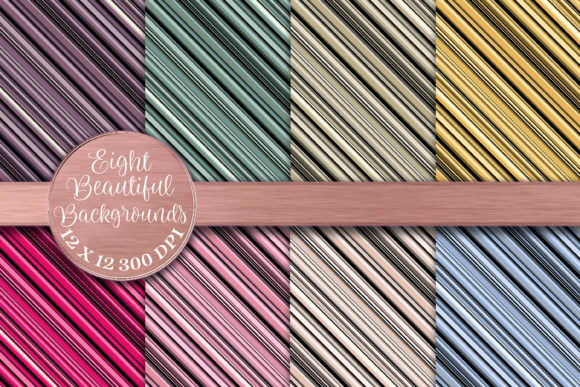
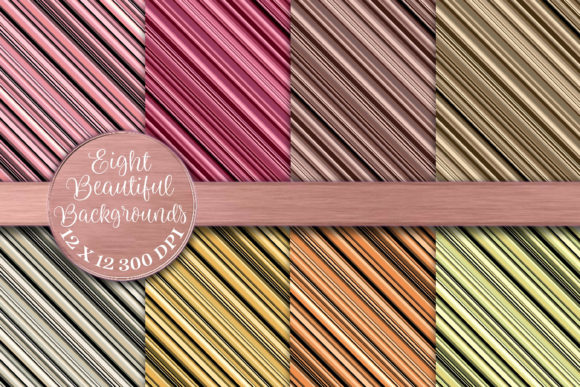
The visual appeal of Soft Pinks and Yellow Diagonal Lines lies in its balanced contrast. The soft pink provides a calming, neutral-base warmth that is easy on the eyes, while the yellow diagonal lines introduce movement and energy without overwhelming the composition. This combination is particularly effective because it avoids the harshness often found in high-contrast geometric patterns. Instead, it offers a subtle sophistication that works well in both modern minimalist designs and more eclectic, layered projects.
From a technical standpoint, the quality of these files is a significant differentiator. Each image is rendered at 3000 x 3000 pixels with a resolution of 300 DPI (dots per inch). For those unfamiliar with print specifications, 300 DPI is the industry standard for high-quality physical printing. Many free or low-cost digital textures are optimized only for screen use (72 DPI), which results in pixelation or blurriness when printed. The high resolution of this collection ensures that whether you are creating a small greeting card or a large wall decor piece, the details remain crisp and vibrant.
The use of custom Procreate brushes in the creation process adds another layer of authenticity. Unlike vector-generated patterns that can feel sterile or repetitive, brush-based textures retain organic imperfections. These slight variations in line weight and color saturation mimic hand-drawn elements, adding a human touch that resonates with audiences seeking authenticity in design.
Comparing Digital Textures: When to Choose This Style
When evaluating background resources, it is essential to consider how Soft Pinks and Yellow Diagonal Lines compares to other common options. Here is a practical breakdown of where this style fits within the broader ecosystem of design assets.
Versus Solid Colors and Gradients
Solid colors and simple gradients are foundational, but they often lack visual interest. They serve as blank canvases rather than active design elements. In contrast, the diagonal lines in this collection provide directionality, guiding the viewer’s eye across the page. If your project requires a background that supports content without competing for attention, a solid color might suffice. However, if you want to add depth and texture to scrapbook pages or website headers, the patterned approach of this collection offers a more engaging solution.
Versus Photographic Backgrounds
Photographic textures, such as wood grain or marble, are popular for their realism. However, they can sometimes dominate a design, making it difficult to overlay text or other graphics legibly. The abstract nature of Soft Pinks and Yellow Diagonal Lines strikes a middle ground. It provides texture and context but remains abstract enough to allow foreground elements—such as photos, typography, or stickers—to stand out clearly. This makes it particularly suitable for graphic designers who need flexibility in layout composition.
Versus Complex Pattern Packs
Many texture packs feature intricate, busy patterns with multiple colors and shapes. While visually striking, these can be challenging to work with, especially for beginners. The simplicity of the pink and yellow diagonal design makes it highly adaptable. It serves as an excellent base layer that can be easily modified. You can adjust opacity, apply blending modes, or crop specific sections without losing the cohesiveness of the design. For users who prefer a "less is more" approach, this collection offers a manageable starting point.
Practical Applications and Use Cases
The versatility of this 8-JPG collection extends far beyond simple digital backgrounds. Because the files are high-resolution and provided in universal JPG format, they can be integrated into a wide variety of workflows. Below are several realistic scenarios where these textures excel.
- Scrapbooking and Paper Crafts: The 300 DPI resolution makes these images ideal for printing as custom scrapbook paper. The soft pink hue complements photographs of children, weddings, and spring themes, while the yellow lines add a playful accent. You can print them on cardstock to create unique layouts that stand out from mass-produced papers.
- Digital Product Design: For creators selling digital planners, journals, or stickers, these backgrounds provide a professional yet approachable aesthetic. They can serve as the base for printable inserts, ensuring that your products have a cohesive brand look.
- Print-on-Demand Merchandise: The square format (3000 x 3000) is perfect for items like coffee mugs, tote bags, and throw pillows. The diagonal lines create a dynamic wrap-around effect on cylindrical objects like mugs, adding visual interest from every angle.
- Web and Social Media Graphics: In digital marketing, background texture can increase engagement by breaking up white space. These images work well as hero sections for websites, Instagram post backgrounds, or Pinterest pins. The light color palette ensures that dark or colored text remains readable.
- Home Decor and Personalization: Beyond paper, you can use these designs to create custom wall art, framed signs, or even car decals. The vibrant yet soft colors translate well to various materials, allowing for personalized home accents that reflect a cheerful, modern style.
Evaluating Limitations and Decision Factors
While Soft Pinks and Yellow Diagonal Lines offers significant benefits, it is not a one-size-fits-all solution. Understanding its limitations helps ensure you make an informed decision.
Color Palette Constraints: The fixed color scheme of pink and yellow may not align with every brand identity or project theme. If you are working on a corporate project requiring strict brand colors like navy blue or charcoal gray, this texture may require significant editing or may not be suitable at all. However, for lifestyle, beauty, parenting, or creative industries, the palette is generally highly compatible.
File Format Considerations: The collection is provided in JPG format. While JPGs are universally compatible and have smaller file sizes, they do not support transparency. If you need to layer the texture over other images without a rectangular border, you will need to use software that allows for blending modes or masking. Users accustomed to PNG files with transparent backgrounds may find this requires an extra step in their workflow, though most modern design tools handle JPG blending efficiently.
Design Skill Level: To get the most out of these textures, some basic design knowledge is beneficial. Knowing how to adjust opacity, use layer masks, or combine elements in tools like Procreate, Photoshop, or Canva will enhance the final output. Beginners can still use them as standalone backgrounds, but advanced users will unlock their full potential by integrating them into complex compositions.
Making the Right Choice for Your Project
Choosing the right digital asset depends on your specific goals. Soft Pinks and Yellow Diagonal Lines is an excellent choice if you:
- Need high-resolution files for both digital and print use.
- Prefer organic, hand-drawn textures over rigid vector patterns.
- Are working on projects with a warm, cheerful, or feminine aesthetic.
- Want a versatile background that supports rather than overwhelms foreground content.
Conversely, you might consider alternative options if you require editable vector files, transparent backgrounds, or a cooler color palette. Always assess the end-use of your design. If you are printing large-format banners, ensure your printer can handle the 3000 x 3000 pixel dimensions without scaling issues. For web use, remember to compress the files appropriately to maintain fast loading speeds.
In conclusion, this collection represents a thoughtful intersection of artistic craftsmanship and technical utility. By understanding its strengths and limitations, you can effectively integrate Soft Pinks and Yellow Diagonal Lines into your creative toolkit, enhancing everything from personal scrapbooks to professional graphic design projects.